 Skip to content

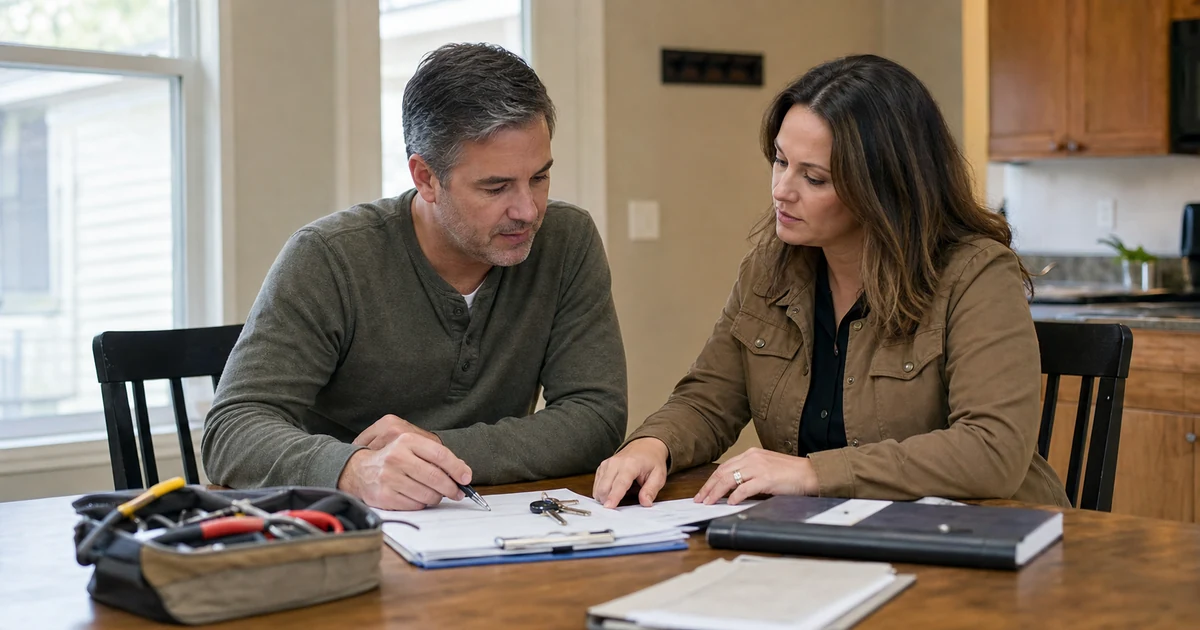
Cincinnati rental owners should understand local rental registration, inspection expectations, and Ohio landlord obligations before leasing a property.
Why registration matters
If you own residential rental property in Cincinnati, local registration and inspection requirements may apply. These rules are separate from the day-to-day work of finding renters, collecting rent, and handling maintenance, but they still affect how prepared an owner should be before leasing.
This article is a practical starting point, not legal advice. Owners should verify current requirements with the City of Cincinnati, Hamilton County, or a qualified professional.
Where to start
The City of Cincinnati explains its Residential Rental Registration program through Buildings and Inspections. The city also provides a Residential Rental Inspection page with inspection-related resources and contact information.
Hamilton County also has rental registration resources that may be relevant depending on the property and owner details. If you own rentals in or around Cincinnati, it is worth checking both city and county requirements instead of assuming one filing covers everything.
Registration is only one part of being ready
A rental also needs a clear process for habitability, repairs, safety items, resident communication, rent collection, and documentation. Ohio Revised Code Section 5321.04 includes landlord obligations around applicable building, housing, health, and safety codes, repairs, common areas, and supplied systems.
The practical takeaway: do not wait until a resident has moved in to figure out who handles repairs, notices, records, and follow-up.
If the operational side is the harder part, review owner services for Cincinnati rentals before you decide whether you need tenant placement, management, or help preparing the property.
What owners should organize
Before leasing, gather:
- Property address and parcel details
- Owner contact information
- Local agent or emergency contact process
- Maintenance vendor contacts
- Lease and resident communication process
- Records for repairs, inspections, and owner decisions
How management can help
Cres Rentals does not replace legal or city guidance, but we can help owners create a more organized rental process. That includes leasing preparation, maintenance coordination, resident communication, rent collection, and owner updates.